
The firing is where the clay stops being impressionable and starts being the written word. Everything you make up until then is impermanent — malleable, easily erased, and able to be fixed if you mess up. When the lid comes down, your work is in a different kind of custody. Temperature, gasses, and time are what transforms your wish into a sealed reality. It’s both humbling and empowering: you sculpt your own language, but someone else puts your words to a melody.
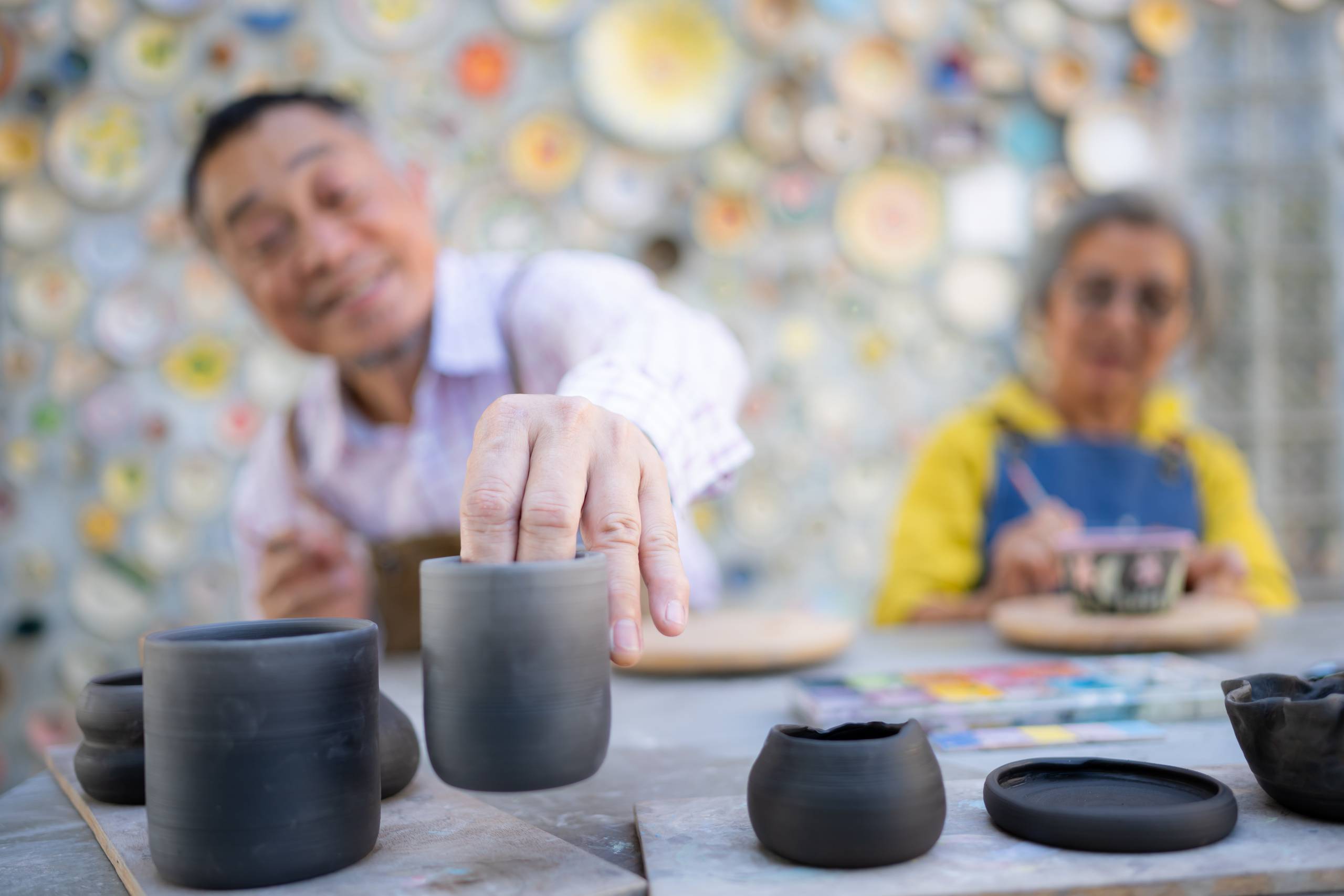
Next is the bisque firing, a first, relatively low-temperature firing that aims to remove physically and chemically bound water from the piece, and make it hard enough to be handled without damage, and to apply a glaze. The firing temperature can affect the colour of the final piece, but is broadly in the region of 1000 °C (1,830 °F). If the firing conditions are not right, the piece may end up under- or over-fired, or cracked. Cracks can form if steam bubbles form as a piece is heated too quickly. Many studio pieces are fired at a low temperature (around 1800 °F (980 °C)) to prevent over-firing, but this may result in a short life expectancy for the item. Some studio artists who want to achieve the look of high-fire with a low-fire glaze will apply multiple layers of glaze and then fire at a low temperature. This can give an acceptable result, but the ware will still be more prone to cracking than a high-fire piece.
The excitement happens in the glaze firing. Cone 6 oxidation is a sure bet for bright, poppy color, but cone 10 reduction requires that careful adjustments be made to the amount of oxygen in the firing to get iron reds to turn to deep tenmoku blacks or copper to pop into that elusive red. If firing in salt or soda, the sodium in the vapor reacts with the silica in the clay body to create a bright, glassy glaze at high temperature. Depending on where the piece is in the kiln, it may develop runs and flashes that wouldn’t be achieved with any glaze brush. Reduction darkens and muddies, oxidation makes things lighter and clearer, while atmospheric firings add an element of unpredictability.
When it comes to packing the kiln, a little strategy goes a long way. Shelves should be placed close enough to conserve heat but far enough apart to ensure that pieces can expand while firing without going concave. Stilts, setters, and wadding offer protection to the foot of a piece and prevent it from becoming fused to the kiln shelf, but they also enable glazes to run. Loading the kiln can be meditative: You have to decide which bowl will reap the benefits of the hottest part of the kiln for a richer glaze, and which vase is safe to place in the cooler area without losing its luster. If you’re an old pro, you can rely on the kiln’s past performance to inform your packing decisions.
Cooling, while not as glamorous as heating, is just as important. A quick cooling shocks the ware, creating dunting cracks due to thermal shock, while a slow cooling promotes crystallization in some glazes, and helps prevent crazing due to thermal expansion mismatch. Nowadays, many potters opt for controlled cooling, relying on “soaks” at particular temperatures to bring certain effects to completion, or simply allowing the kiln to coast for a couple of days. As the door is finally opened, after 24 hours or more, there is a certain hush.